


03 Jun From Seed to Cup: How Coffee Is Grown and Harvested ☕🌱
Coffee doesn’t start life as a bean. It starts as a plant – and a surprisingly delicate one at that. The journey from soil to sip takes years, plenty of patience, and a lot of human hands along the way. Here’s how it all comes together.
1. Planting the coffee tree
Coffee begins as a seed, usually planted in shaded nurseries. It takes around 3-4 years before a coffee tree is mature enough to produce fruit. These trees thrive in what’s known as the coffee belt – warm regions around the equator with rich soil, rainfall, and altitude.
Once established, a healthy coffee tree can keep producing for decades.
2. Flowering: blink and you’ll miss it
When conditions are right, coffee trees bloom with small white flowers that smell faintly like jasmine. It’s beautiful and brief. Within days, the flowers fall, making way for fruit.
Those fruits are called coffee cherries.
3. Growing the cherries
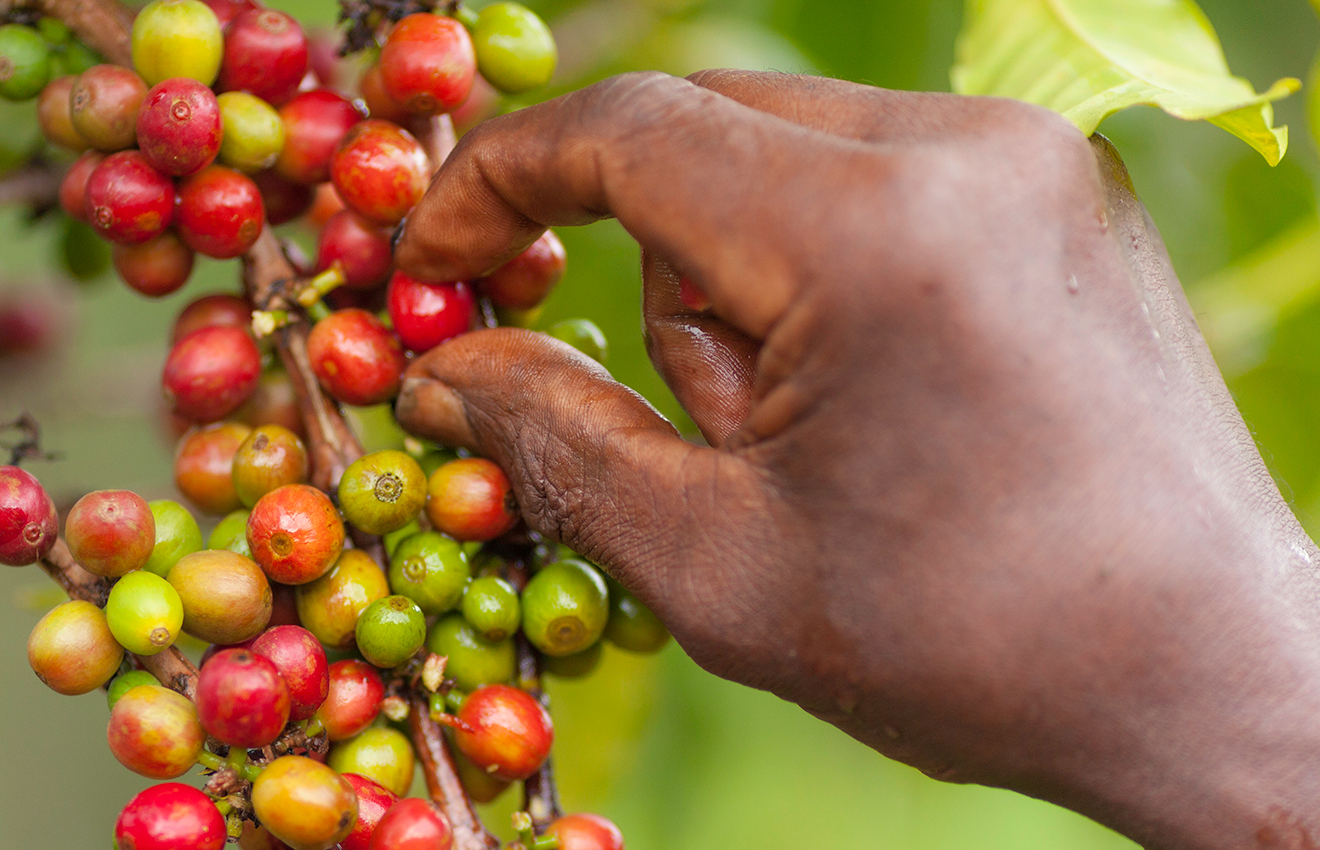
Over the next 6-9 months, cherries slowly ripen, changing from green to yellow to deep red. Inside each cherry are usually two coffee beans, facing each other like twins.
Timing matters here: only ripe cherries produce the best flavour.
4. Harvesting: mostly by hand
In most specialty-coffee regions, cherries are hand-picked. This allows pickers to choose only ripe fruit, which means:
- better quality
- more consistency
- fewer defects
Harvesting often happens in multiple passes through the same farm, because cherries don’t all ripen at once.
It’s slow, skilled work – and essential to great coffee.
5. Processing: removing the fruit
Once picked, cherries must be processed quickly to stop them from spoiling. The goal is to remove the fruit and dry the beans inside. Common methods include:
- Washed (wet) process – fruit removed, beans fermented and washed
- Natural (dry) process – whole cherries dried in the sun
- Honey process – somewhere in between
This step has a huge impact on flavour.
6. Drying and resting
Beans are dried until they reach the right moisture level, then rested and stored. At this stage they’re called green coffee – stable, shelf-ready, and waiting to be roasted.
Why this all matters
Every step – planting, picking, processing – shapes what ends up in your cup. Coffee is an agricultural product, not a factory one. It reflects weather, soil, timing, and people.
So next time you drink coffee, you’re tasting years of growth, months of care, and days of hands-on work, long before it ever meets a roaster.